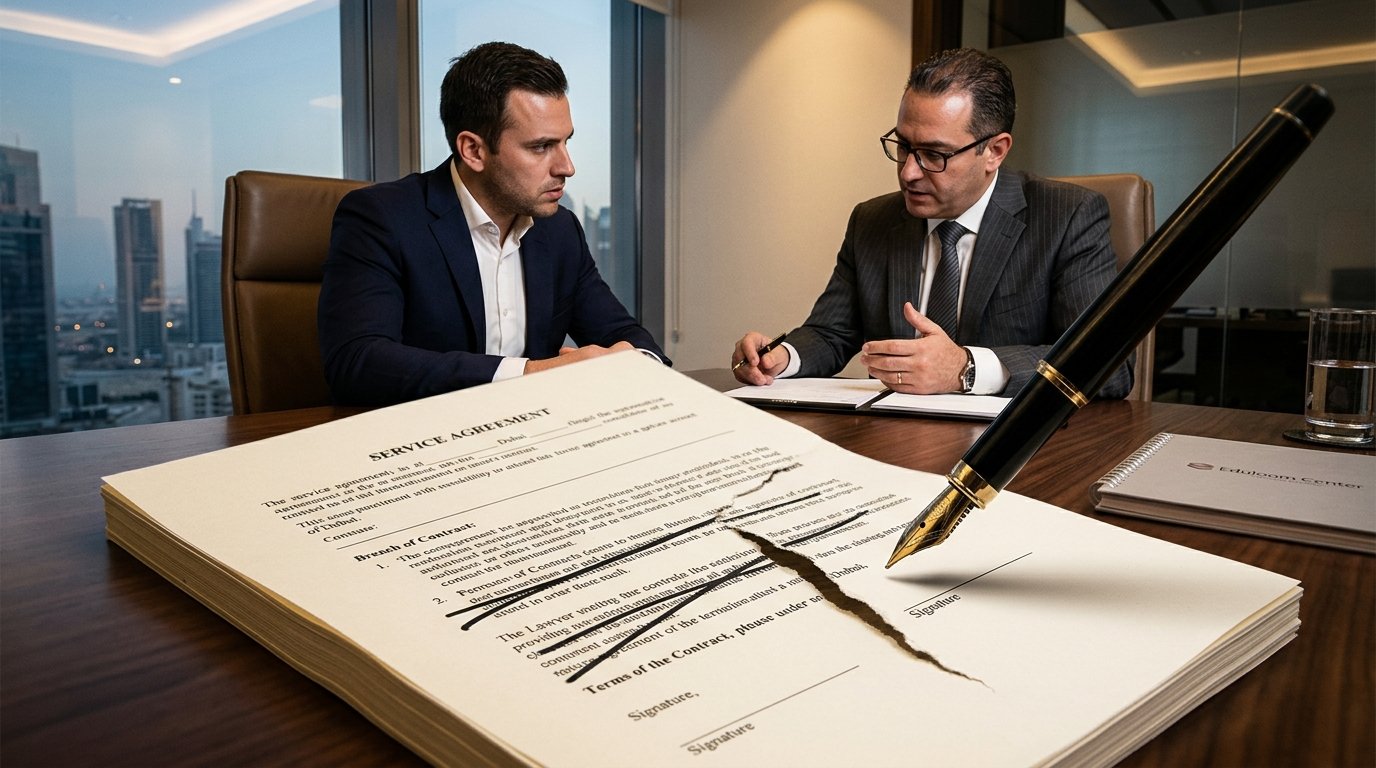

Understanding the Urgency of Difficult Conversations
Every professional encounters moments when conversations turn uncomfortable, tense, or downright confrontational. Ignoring these moments can snowball into workplace misunderstandings, damaged relationships, and missed opportunities for growth. Imagine walking into your office on a crisp Monday morning, knowing that a crucial discussion awaits you – a conversation that could redefine your career trajectory or alter team dynamics. This is the reality that so many professionals face, and yet, most falter simply because they are unprepared. By learning to handle difficult conversations with precision and empathy, you place yourself in a position of unparalleled professional advantage. The key is understanding that difficult conversations are not obstacles – they are doorways to clarity, resolution, and long-term success. For instance, a case study from a leading corporate consultancy revealed that employees trained in conflict navigation saw a 45% improvement in team productivity. Not acting now risks falling behind colleagues who master these skills first, leaving you with lost influence and opportunity.
Preparing Mentally and Emotionally for Confrontation
Preparation is not just logistical; it is psychological and emotional. Before engaging in a challenging dialogue, your mind must be anchored in calm confidence, empathy, and focus. Picture yourself rehearsing a conversation, not in monotone repetition but as a vivid scenario where every word, pause, and gesture is consciously mapped. Professionals who succeed in difficult conversations understand the importance of emotional intelligence, regulating their reactions, and anticipating the other person’s perspective. Research from Harvard Business Review underscores that individuals who prepare emotionally report 60% higher success rates in conflict resolution. To embody this readiness, visualize potential outcomes – both positive and negative – and prepare responses that maintain professionalism under pressure. This foresight ensures you are not merely reacting but leading the conversation. Failing to prepare can turn a single conversation into a career-altering misstep, making timely preparation an essential, non-negotiable step for professionals invested in long-term growth.
Active Listening as a Strategic Tool
Active listening is far more than politely nodding – it is a powerful, strategic tool that transforms tension into understanding. Imagine standing in a meeting room where voices are raised, deadlines loom, and emotions flare. By practicing active listening, you signal attentiveness, respect, and genuine interest in resolving the issue. This involves not only hearing words but interpreting underlying emotions, body language, and context. According to a survey conducted by the American Management Association, 72% of professionals reported that conversations where active listening was employed led to quicker and more sustainable resolutions. Picture yourself paraphrasing the other person’s concerns, asking clarifying questions, and providing space for dialogue without interruption. In doing so, you shift the conversation from confrontation to collaboration, creating an atmosphere where solutions naturally emerge. Neglecting active listening can escalate conflicts and close doors to vital opportunities, making this technique indispensable for anyone serious about professional advancement.
Mastering the Art of Clear and Concise Communication
Words carry power. In difficult conversations, clarity and precision can mean the difference between resolution and further complication. Picture articulating your point with laser-like focus, each sentence conveying exactly what you intend without ambiguity or defensive undertone. Communication experts consistently emphasize that concise, structured messaging reduces misunderstanding and accelerates consensus. For example, a case from a Fortune 500 company highlighted how managers who structured their feedback using specific, measurable, and actionable language saw a 50% decrease in repeated conflicts. In addition, concise communication respects the other person’s time, demonstrates professionalism, and builds credibility. Consider pairing this with strategic pauses – allowing the listener to absorb your words fully. Failing to communicate effectively risks creating confusion, resentment, and professional setbacks, reinforcing why mastering this skill is non-negotiable in any high-stakes environment.
Maintaining Composure Under Pressure
Stress can distort perception, provoke defensive reactions, and derail conversations. Remaining composed under pressure is both a survival skill and a strategic advantage. Visualize a high-stakes discussion where emotions are palpable, yet your posture remains confident, your tone calm, and your expressions measured. Research from the Center for Creative Leadership confirms that leaders who maintain composure inspire trust, reduce tension, and achieve better outcomes during conflict. Techniques such as controlled breathing, mindful pauses, and mental reframing allow you to navigate volatile moments without losing authority. Maintaining composure signals to your counterpart that you are steady, professional, and solution-oriented. Allowing stress to dominate your reactions can irreparably damage relationships and professional reputation, making emotional control a cornerstone of effective conflict management.
Building Empathy to Bridge Differences
Empathy is the bridge that transforms confrontation into collaboration. Imagine stepping into the other person’s shoes – truly perceiving their fears, motivations, and pressures. Empathetic communication does not imply weakness; rather, it fosters connection, reduces defensiveness, and encourages openness. Studies by the International Association for Conflict Management show that empathy can increase resolution success rates by up to 65%. Consider scenarios where team members clash over responsibilities. By acknowledging the other person’s perspective, paraphrasing their concerns, and validating their feelings, you create space for meaningful dialogue. Empathy allows you to navigate personality differences, cultural nuances, and emotional triggers with grace. Without empathy, even the most logically sound argument can fall flat, leaving conflicts unresolved, demonstrating the urgent need to cultivate this skill for long-term professional efficacy.
Strategic Questioning to Unlock Insights
Mastering the right questions at the right time can transform a difficult conversation from deadlock to insight. Imagine guiding a discussion with precision, asking open-ended questions that reveal underlying motivations, priorities, and potential compromises. Strategic questioning uncovers hidden issues and encourages the other party to engage constructively rather than defensively. According to the Journal of Applied Psychology, managers who employ strategic questioning techniques increase problem-solving efficiency by over 40%. For instance, instead of saying “Why didn’t you complete the task?” you might ask, “What challenges did you encounter that affected the timeline?” Such reframing invites explanation without blame, fostering collaboration. Neglecting to ask meaningful questions leaves assumptions unchallenged, prolonging conflict and eroding trust, making this technique vital for professionals committed to resolution-oriented dialogue.
Leveraging Feedback for Continuous Improvement
Every difficult conversation is an opportunity for growth if approached with a feedback-oriented mindset. Picture concluding a tense discussion with actionable takeaways that enhance team performance, clarify expectations, and strengthen relationships. Constructive feedback, when delivered professionally, reinforces accountability and encourages continuous improvement. Research published in the Academy of Management Journal indicates that teams incorporating structured feedback after conflict report a 38% improvement in performance metrics. By requesting feedback on your own communication style, you demonstrate humility, adaptability, and a commitment to excellence. Moreover, documenting key insights from conversations can guide future interactions, preventing recurring conflicts. Failing to leverage feedback leaves patterns unexamined and opportunities for growth untapped, underscoring the urgent need to integrate this step into every professional dialogue.
Applying Proven Frameworks and Professional Training
Successful professionals do not leave difficult conversations to chance – they rely on structured frameworks and training programs. Imagine engaging in a high-pressure discussion fully equipped with evidence-based techniques, from conflict resolution models to role-playing simulations. Programs such as those offered by Rocori Community Education provide hands-on training, real-world scenarios, and expert guidance designed to elevate professional communication skills. Data from corporate learning evaluations show participants in structured communication programs report a 52% increase in confidence during challenging discussions. These frameworks provide step-by-step strategies for preparation, active listening, empathy, questioning, and follow-up, ensuring consistent, professional outcomes. Neglecting structured learning risks stagnation, repeated conflicts, and missed advancement opportunities, making immediate engagement with trusted education platforms a non-negotiable career strategy.
Taking Action Today to Secure Professional Advantage
The cost of delay is high – every avoided or mishandled difficult conversation compounds stress, erodes trust, and limits career progression. Imagine the cumulative effect of unresolved issues: deadlines missed, reputations tarnished, and opportunities slipping away to colleagues who seize the initiative. By acting now – enrolling in professional courses, practicing these techniques, and integrating them into your daily interactions – you position yourself as a decisive, empathetic, and strategic communicator. Proven platforms like Rocori Community Education offer immediate, actionable resources that transform theoretical knowledge into real-world impact. With verified training, licensed instructors, and responsive support, the risk-free path to professional mastery is right at your fingertips. Waiting is losing; immediate action ensures you outpace peers and command respect in every challenging conversation.
As you strive to become a more effective communicator, it’s equally important to recognize that maintaining focus and productivity can be significantly enhanced by understanding the role of breaks and rest periods. By incorporating structured downtime into your routine, you can recharge your mind and body, ultimately leading to better performance and decision-making skills; for more insights on this, explore the importance of breaks and rest in your professional journey.