
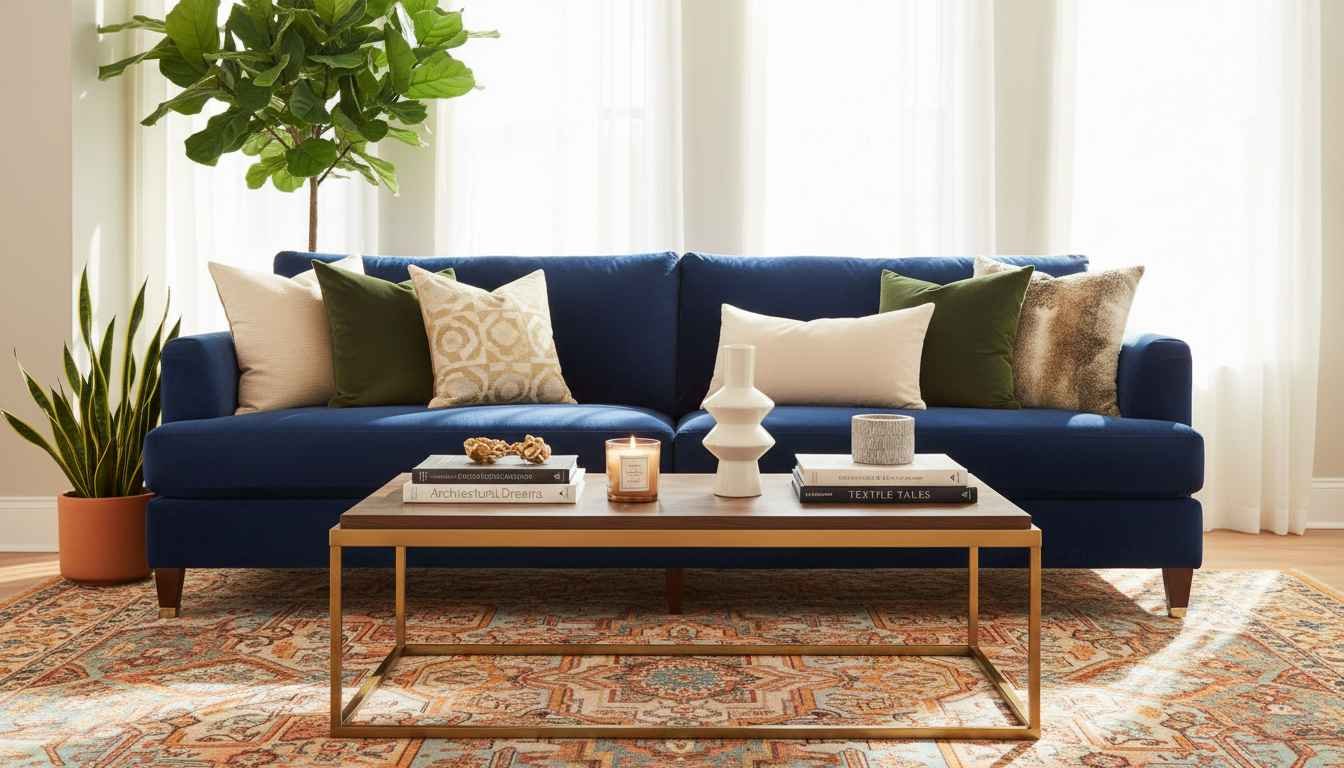
Rome wasn’t built in a day. Likewise, cultivating a home that exudes both style and functionality requires patience, intention, and an understanding of the furniture that shapes our daily lives. The right pieces do more than occupy space – they define it, offering comfort, aesthetic appeal, and a sense of belonging that transforms ordinary rooms into sanctuaries.
In the modern home, furniture is no longer a mere necessity; it is a statement of taste and lifestyle. From the warmth of a handcrafted wooden dining table to the sleek lines of modular living room sofas, every piece contributes to a narrative about who inhabits the space and how they engage with it. Yet, selecting furniture that balances beauty with practicality remains a nuanced endeavor.
Luxury at home is often misunderstood as an excess of ornate or expensive items. True luxury in furniture is subtle – rooted in craftsmanship, enduring materials, and design that feels tailored rather than imposed. Personal experience taught me this lesson the hard way: years ago, I purchased a visually striking sofa that ended up being uncomfortable and impractical for daily family use. The experience reinforced the importance of marrying aesthetic appeal with usability, a guiding principle in choosing furniture that genuinely elevates a home.
Investing in well-crafted pieces pays dividends not just in durability but also in style coherence. A cohesive design language throughout your home ensures that each room flows naturally into the next, reflecting a deliberate and considered approach. King Living exemplifies this philosophy with furniture that seamlessly blends luxury, comfort, and modern Australian design sensibilities.
Understanding the Core Elements of Style at Home Furniture
Every furniture selection should begin with an understanding of the fundamental elements that constitute style: form, function, and materiality. Form refers to the silhouette and proportions of the piece, influencing how it complements or contrasts with surrounding elements. Function addresses usability – how well the piece serves its intended purpose. Materiality involves the textures, finishes, and structural integrity that dictate both visual appeal and longevity.
Consider a dining set crafted from sustainably sourced hardwood. Its form may be contemporary, with clean lines and minimalistic profiles, yet its materiality conveys warmth and authenticity. The functionality – whether it comfortably accommodates family gatherings or fits a smaller urban apartment – determines its practicality. A failure to balance these elements often results in furniture that is either impractical or aesthetically jarring.
Did You Know?
Homes furnished with quality, well-designed furniture can increase perceived property value by up to 15%, according to recent interior design studies. This underscores how functional style is not only an aesthetic investment but also a financial one.
Creating Cohesive Aesthetic Themes
Cohesion is key in ensuring that furniture contributes to a holistic interior design narrative. Selecting pieces that share complementary materials, finishes, or design philosophies allows for visual harmony without resorting to uniformity. For example, pairing a modern sectional with a mid-century inspired coffee table can create a dynamic yet cohesive environment when balanced thoughtfully.
Layering textures – such as velvet upholstery with metallic accents or matte wood with glossy ceramic – adds depth and character. Lighting, rugs, and accessories act as the connective tissue, reinforcing the stylistic dialogue initiated by the furniture. Achieving this balance often requires trial and error, but the resulting atmosphere transforms a house into a personalized retreat.
Prioritizing Comfort Without Sacrificing Style
Style at home furniture must accommodate the lived experience. A visually stunning armchair or sofa loses its value if it cannot support the body’s natural comfort. Ergonomics and scale are critical considerations; oversized pieces may overwhelm smaller rooms, while diminutive items can feel out of proportion in larger spaces. Testing furniture in person or referencing detailed dimensions and reviews ensures a balance between design aspirations and practical use.
Potential Drawbacks to Consider
Despite the allure of high-end furniture, there are considerations prospective buyers should keep in mind. Premium pieces often come with higher maintenance requirements, such as specific cleaning methods or environmental conditions to prevent wear. Additionally, trends in design may shift, causing certain styles to feel dated over time. Being aware of these factors helps prevent buyer’s remorse and encourages thoughtful, strategic purchases.
Investing in Timelessness
While trends evolve, timeless design endures. Neutral tones, classic silhouettes, and high-quality materials create furniture that remains stylish over decades. Investing in such pieces is not merely a financial choice but a lifestyle decision, reflecting an understanding of quality over quantity. Incorporating one or two statement items – such as a bespoke lounge chair or a sculptural dining table – adds individuality without compromising longevity.
Maximizing Functionality Through Modular and Multi-Purpose Designs
Modern lifestyles demand flexibility. Modular furniture and multi-purpose designs allow spaces to adapt to changing needs. A sofa with interchangeable components can transform a living room for gatherings or quiet family time. Beds with integrated storage optimize smaller rooms without sacrificing elegance. Such innovations ensure that furniture supports both aesthetic and practical dimensions of home living.
Conclusion
Style at home furniture transcends mere decoration. It reflects taste, nurtures comfort, and enhances daily life through considered design. By prioritizing craftsmanship, cohesion, and functional beauty, homeowners can cultivate interiors that are both luxurious and enduring. Remember, creating a home that embodies true style is a process, one that combines careful selection, personal experience, and an appreciation for design that balances form with function.
As you create a stylish and functional home, don’t forget that your living environment can also inspire your travels; consider enhancing your experiences by exploring the best place to visit in the United States, a traveler’s guide that can help you discover your next adventure.