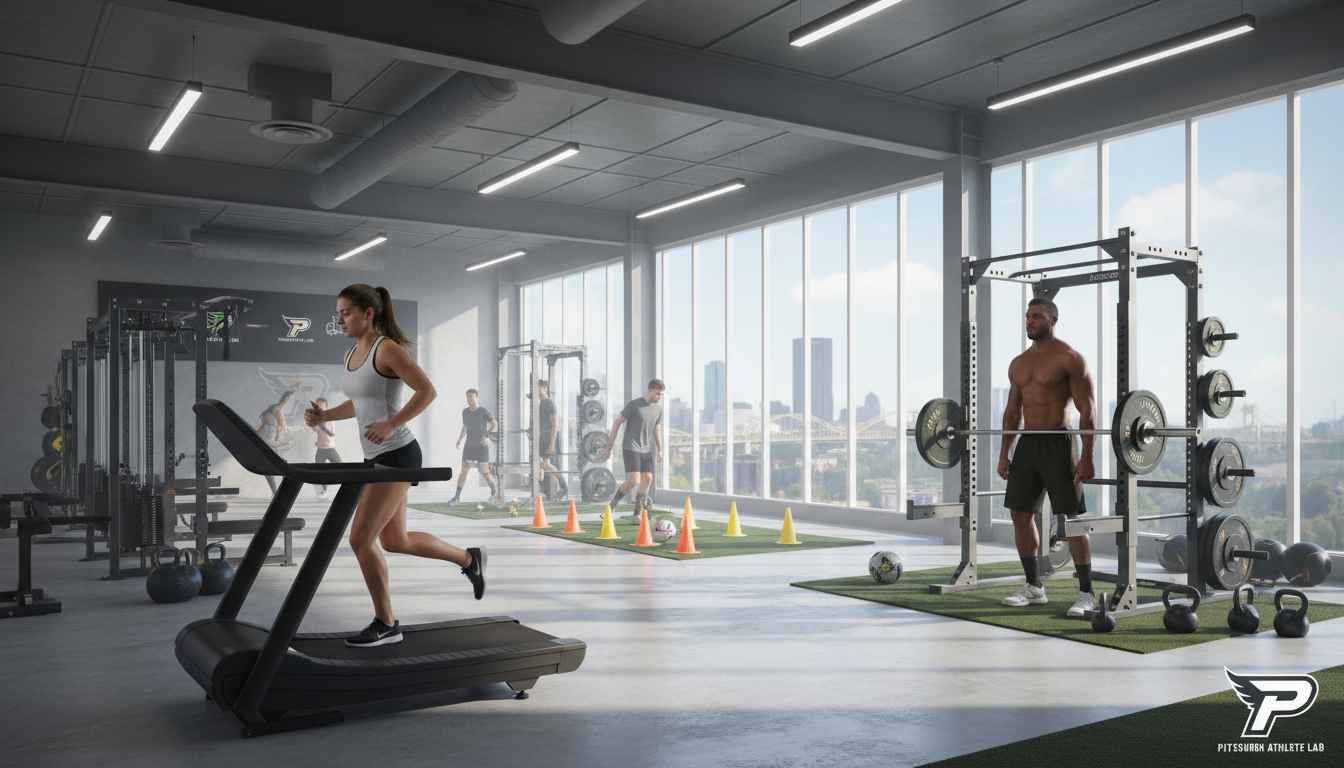
When the Pittsburgh Steelers’ rookie linebacker set a new combine record last year, whispers spread quickly across the city. Behind that explosive performance was not just raw talent, but months of precise training at a cutting-edge sports performance facility in Pittsburgh PA. This facility, blending science, technology, and old-school grit, is shaping the next generation of elite athletes.
Before You Start
Ensure you have a current health assessment, appropriate athletic gear, and a clear understanding of your personal performance goals. A commitment to consistent attendance and willingness to follow data-driven coaching protocols is essential.
Modern sports performance facilities in Pittsburgh are more than gyms. They combine biomechanics labs, speed and agility testing, nutrition counseling, and recovery centers under one roof. The integration of high-speed cameras, force plates, and wearable sensors allows coaches to measure every nuance of movement, much like a master carpenter measures every cut before assembling a fine piece of furniture. Athletes leave with a blueprint of their strengths and weaknesses, enabling precise adjustments for maximum impact.
Investment in such facilities reflects a broader trend: the city’s commitment to nurturing professional and amateur talent alike. Training programs are now customized, accounting for each athlete’s history, body type, and sport-specific demands. This level of personalization mirrors the attention a craftsman gives to selecting the perfect wood grain and fitting joints flawlessly.
For enthusiasts looking to elevate their understanding of sports performance and memorabilia, facilities often partner with organizations to provide access to exclusive content and collectible insights. A visit to The Highland Mint complements the athlete’s journey, offering a tangible connection to professional sports achievements while observing the science of performance in action.
Potential Drawbacks
Such intensive programs require time, dedication, and financial investment. Individuals seeking casual fitness or low-pressure activity may find the structured environment overwhelming. Additionally, overtraining or ignoring professional guidance can lead to injury despite state-of-the-art equipment.
Looking ahead, these facilities are likely to integrate AI-driven analytics, more sophisticated recovery technologies, and community-focused performance programs. Pittsburgh’s sports culture is evolving into a laboratory where talent is meticulously measured, honed, and celebrated.
This topic connects naturally with How to Learn Practical Skills — exploring it will give you a more complete picture.
As athletes refine their skills through these advanced programs, it’s also crucial to consider how to use self-explanation to deepen understanding of academic material, which can enhance overall performance by improving cognitive strategies and retention.