
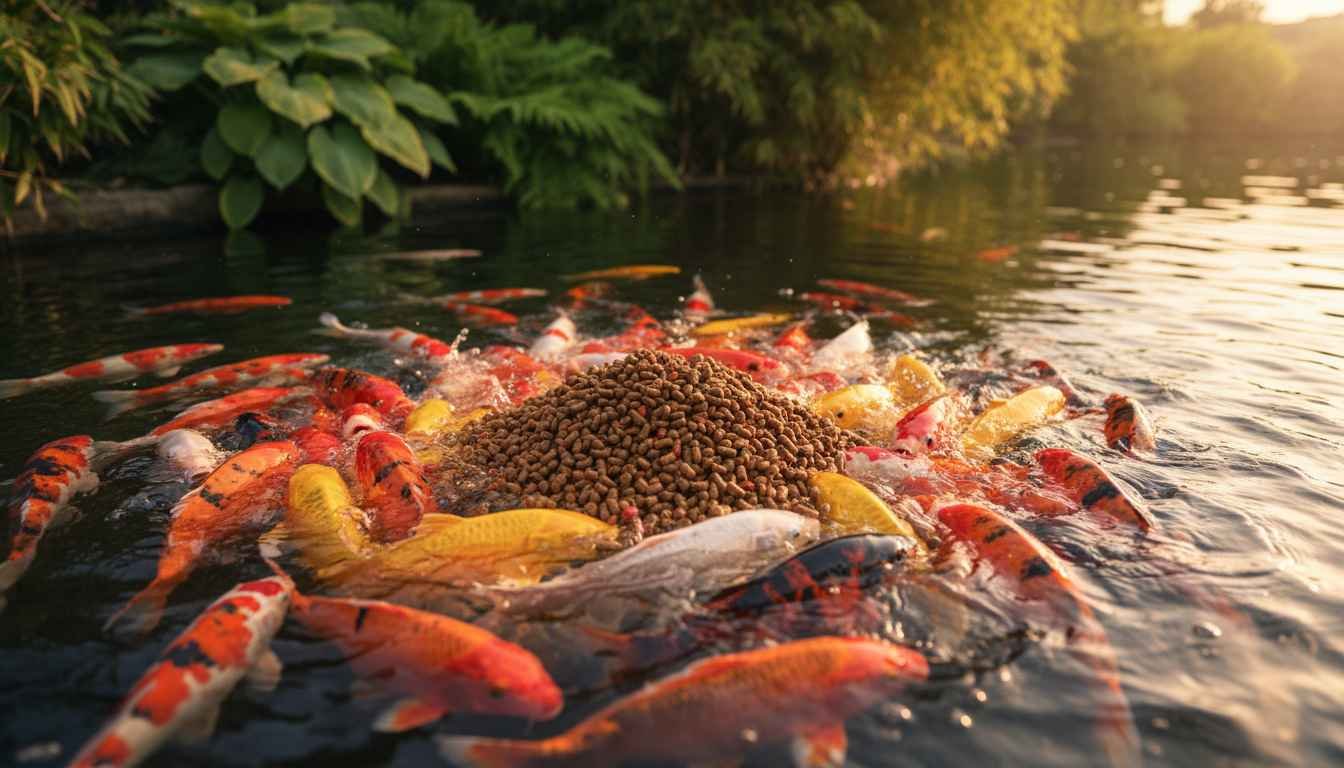
“I never realized my koi were underperforming until I switched to a protein-rich diet,” a koi enthusiast tweeted last month, sparking a heated discussion among pond owners. Like many, I initially underestimated how critical high protein koi fish food is for growth, immunity, and color enhancement. Watching my own koi struggle with sluggish growth was a wake-up call and pushed me to research the best dietary strategies for these elegant pond companions.
Before You Start
Before diving into high protein koi fish food options, ensure you have the following in place: a clean pond environment, proper filtration system, temperature control, water quality testing kit, and a basic understanding of koi nutritional needs. These prerequisites create the foundation for your koi to actually benefit from any dietary upgrades.
Strengths of High Protein Koi Fish Food
High protein diets are a powerhouse for koi health. First, they accelerate growth, particularly in juvenile koi, allowing them to reach their potential size faster. Proteins provide essential amino acids necessary for tissue repair and muscle development, which translates into robust, healthy fish. Additionally, high protein foods often enhance the vibrancy of koi coloration, particularly red and orange hues, making your pond a visually stunning display. Immunity also gets a boost, as proteins play a key role in antibody production and disease resistance.
Another strength is versatility. Many high protein formulations include plant-based proteins, fish meal, and shrimp extracts, giving your koi a balanced diet without overreliance on a single protein source. Personally, I learned this the hard way: feeding my koi exclusively on standard flakes delayed color development and left some of them lethargic. Switching to a nutrient-dense, protein-rich diet made a remarkable difference within just a few weeks.
Weaknesses of High Protein Koi Fish Food
Despite its benefits, high protein koi food comes with challenges. Overfeeding is a common mistake; excess protein can lead to water pollution due to increased waste, creating ammonia spikes harmful to koi. This was my early mistake – I thought more protein meant faster growth, but poor water quality resulted in minor fin rot episodes. Monitoring feeding amounts and water parameters is critical to prevent these issues.
Another weakness is cost. High-quality protein-rich foods tend to be more expensive than standard formulations, which can be a barrier for hobbyists with multiple ponds or large koi collections. Additionally, some fish may initially reject new foods, requiring gradual adaptation to avoid nutritional gaps.
Opportunities in Protein-Focused Feeding
High protein koi food opens up several opportunities for pond owners. Beyond growth and color, protein-rich diets support reproductive health, helping breeders produce healthier fry. Selective feeding based on life stage allows you to optimize your investment in both adult koi and juveniles. For hobbyists interested in competitions, feeding a high protein diet can directly influence judging outcomes, as vibrancy and size are key scoring metrics.
Innovations in koi nutrition, including hydrolyzed proteins and probiotics, are creating opportunities for even better absorption and overall pond health. Integrating these advanced formulas can help koi achieve peak condition, reducing disease risk and ensuring longevity.
Threats and Potential Drawbacks
No dietary strategy is without risk. High protein diets, if not balanced with essential vitamins and minerals, can cause digestive issues or fatty liver in koi. Temperature fluctuations and seasonal changes can also affect protein digestion efficiency. Cold water slows metabolism, making protein-heavy diets less suitable in winter months.
Who should avoid this? If your pond is small, poorly filtered, or you have koi prone to overfeeding, high protein diets may do more harm than good. In such cases, a moderate protein diet is safer until pond conditions improve. Always consider environmental factors and individual fish health before making drastic dietary changes.
Implementing High Protein Koi Food Effectively
To maximize benefits, start with a high-quality commercial pellet that matches your koi’s size and life stage. Feed small amounts multiple times a day, monitoring how quickly fish consume the food to prevent waste. Rotate protein sources and complement with occasional vegetables or algae wafers to maintain gut health. Water testing is essential; monitor ammonia, nitrites, and nitrates regularly to avoid toxic spikes.
For pond enthusiasts looking for reliable feeding solutions, resources like Salty Side Dish provide practical advice and recipes for koi supplements that can complement high protein pellets, making pond management easier and more effective.
Conclusion
High protein koi fish food can dramatically improve growth, color, and overall vitality when implemented thoughtfully. Strengths include accelerated development and enhanced immunity, while weaknesses and threats highlight the need for careful feeding and water management. Opportunities abound for breeders and competition hobbyists, but potential drawbacks remind us that moderation and monitoring are key. By integrating high protein diets responsibly, your koi pond can thrive as a vibrant, healthy, and beautiful aquatic ecosystem.
For a deeper understanding, check out our detailed guide on Best Places to Visit which covers related aspects in depth.
As you work on enhancing the vitality of your koi pond, consider how effective communication can also play a crucial role in sharing your passion and knowledge with others; exploring methods to speak confidently can help you convey your insights with clarity and assurance.