
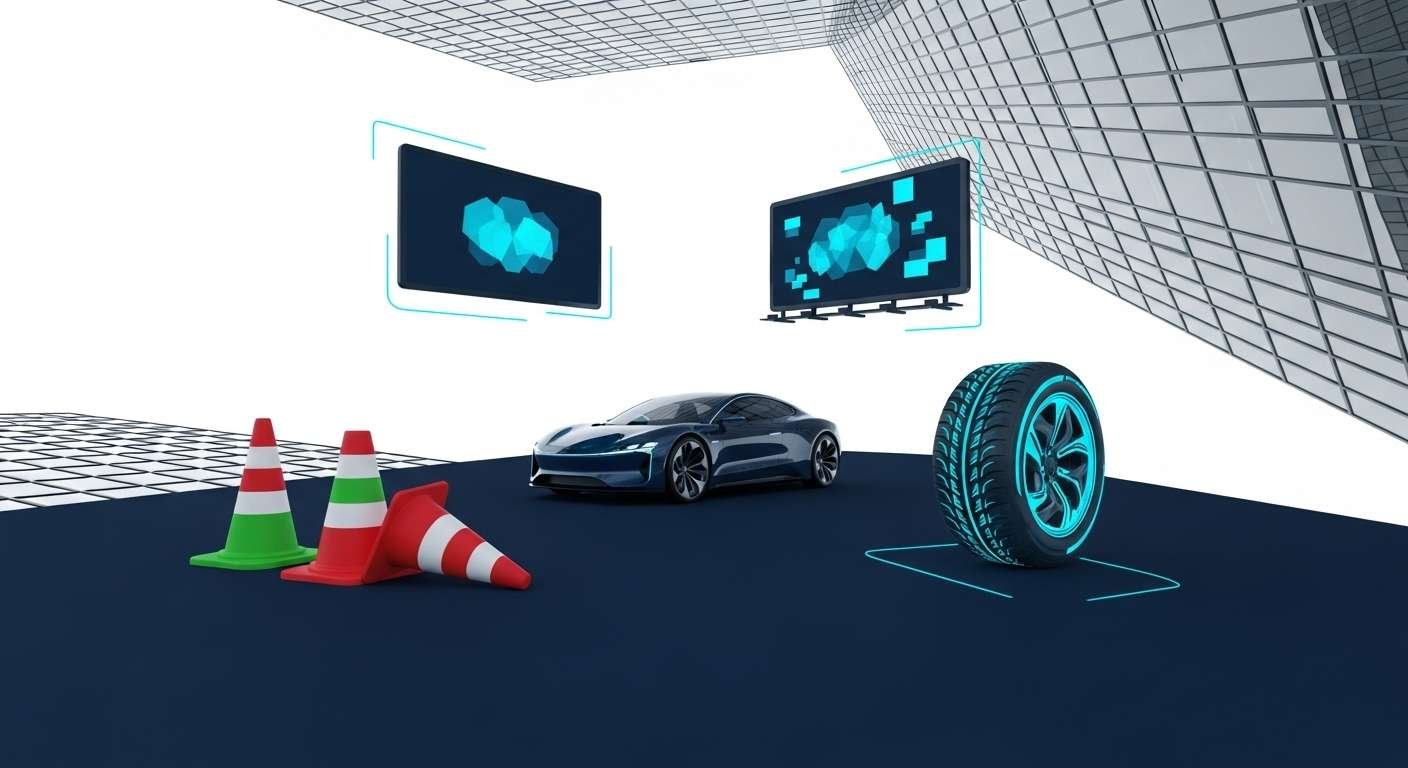
The automotive industry, much like the financial sector during the 2008 crisis, is experiencing profound shifts as a result of digital transformation. In Long Beach, California, a city known for its automotive industry roots, digital marketing is playing a pivotal role in reshaping the market. As more businesses leverage advanced technologies, the strategic value of digital marketing in this sector has become undeniable. The local market is transitioning toward data-driven solutions that promise enhanced customer engagement, better ROI, and increased competitive advantage.
The Digital Transformation of the Automotive Sector
For automotive firms in Long Beach, digital marketing has become a vital tool for growth. The rise of digital platforms has redefined customer interactions, from the first online search to the final purchase. Local dealerships and auto brands are now focusing on how they can utilize SEO, social media, and paid search strategies to not only attract new customers but to keep existing ones loyal. However, this digital evolution brings its own set of challenges. The need for a sophisticated digital strategy and the ability to adapt quickly to ever-changing trends creates friction for many businesses.
For automotive companies in Long Beach, keeping up with the pace of change can be overwhelming. While the tools available are powerful, the complexity of integrating these technologies into existing business operations can be a barrier. Many businesses still rely on outdated methods of reaching customers, such as traditional advertising and word-of-mouth. This lack of alignment with current trends risks falling behind more agile competitors that are making full use of digital channels.
Strategic Resolution Protocol
To overcome these challenges, businesses in the automotive sector must adopt a digital-first mentality. This involves leveraging the power of SEO and content marketing to create a robust online presence that attracts traffic, engages users, and ultimately converts them into loyal customers. Paid search strategies should also be integrated into the overall marketing strategy, targeting specific keywords and demographics that align with the business’s offerings. Additionally, optimizing the user experience on mobile platforms is critical, as a large portion of consumer activity now occurs on smartphones.
Future Economic Implications
The long-term implications of digital marketing in the automotive industry are profound. As consumer behavior continues to evolve, businesses that invest in cutting-edge marketing techniques will be positioned to outperform their competitors. Digital marketing enables companies to scale more effectively by automating processes, using data analytics to drive decision-making, and fostering more personalized customer relationships. In the future, these tools will become even more sophisticated, allowing automotive businesses in Long Beach to better anticipate customer needs and deliver customized solutions.
Leveraging Data for Competitive Advantage
Data-driven marketing strategies are becoming increasingly important in the automotive sector. From understanding consumer preferences to optimizing ad spend, data provides invaluable insights into customer behavior. Long Beach automotive businesses are increasingly investing in advanced analytics tools to track customer journeys and improve conversion rates. However, many still struggle to extract meaningful insights from the data they collect. This represents a significant area of opportunity for firms that can master the art of data-driven decision-making.
Despite the wealth of data available, many automotive businesses in Long Beach fail to maximize its potential. A lack of understanding of how to interpret and apply the data results in missed opportunities. In order to capitalize on this resource, companies must invest in technology and talent that can make sense of complex data sets, and integrate these insights into their marketing strategies.
Strategic Resolution Protocol
To fully unlock the potential of data-driven marketing, automotive firms must develop robust data infrastructure that integrates seamlessly with their marketing platforms. By using analytics to track customer behavior and adjust strategies in real-time, businesses can ensure that their marketing efforts are always aligned with customer expectations. This will not only enhance customer satisfaction but also result in a higher ROI.
Future Economic Implications
As data collection and analysis become more advanced, the automotive sector will see even greater returns on investment. Businesses that invest in AI and machine learning technologies will be able to predict consumer behavior with greater accuracy, ultimately allowing for more personalized marketing efforts. In the future, this will lead to increased customer loyalty and reduced churn, giving companies in Long Beach a significant competitive edge in the marketplace.
The Role of Social Media in Automotive Marketing
Social media has become an indispensable tool for automotive marketing in Long Beach. Platforms like Instagram, Facebook, and Twitter allow brands to engage with their audience in ways that were previously unimaginable. From creating engaging content to responding to customer inquiries, social media is a critical touchpoint in the customer journey. However, many businesses struggle to use social media effectively, often posting content without a clear strategy or measurable goals.
Many automotive businesses continue to rely on generic, unoriginal content that fails to resonate with their target audience. As a result, they are missing out on opportunities to foster deeper connections with consumers. Social media strategies that focus on personalization and authenticity will be key in driving future success. Brands must also leverage the power of influencers and user-generated content to build trust and credibility.
Strategic Resolution Protocol
To enhance their social media efforts, automotive firms in Long Beach must adopt a targeted approach that focuses on content personalization and audience segmentation. This can be achieved by analyzing customer data to identify preferences and behaviors, and then tailoring content to align with these insights. Engaging with users through contests, polls, and live events can also help strengthen brand loyalty.
Future Economic Implications
The future of social media marketing in the automotive industry will likely be dominated by influencer partnerships and real-time engagement. Brands that prioritize authentic, relatable content will see higher levels of customer engagement, which will translate into better sales performance. As social media platforms continue to evolve, businesses in Long Beach must stay ahead of emerging trends to remain competitive in the digital landscape.
The Power of Video Content in Automotive Marketing
Video content has quickly become one of the most effective forms of marketing for automotive businesses. In Long Beach, companies are using video to showcase new models, provide behind-the-scenes looks at their operations, and even offer tutorials. Video allows brands to engage with customers on a deeper level by telling stories that resonate emotionally. However, the sheer volume of content available online means that businesses must work harder than ever to create videos that stand out.
One of the biggest challenges facing automotive businesses is creating high-quality video content on a consistent basis. Many companies struggle with budgeting for video production or fail to recognize the value of investing in professional-grade video content. Without compelling video, it’s difficult for brands to differentiate themselves in an increasingly crowded digital marketplace.
Strategic Resolution Protocol
To succeed in video marketing, automotive firms must focus on quality over quantity. This means investing in high-end video production that aligns with the brand’s values and resonates with the target audience. Whether it’s creating cinematic car commercials or user-generated content, each video should be crafted with the intention of telling a compelling story. Additionally, optimizing video content for mobile devices is crucial to ensuring that it reaches the widest possible audience.
Future Economic Implications
As the demand for video content continues to grow, automotive businesses in Long Beach must adapt by developing creative, engaging video strategies. The future of video marketing in the automotive sector will likely involve interactive and immersive formats, such as 360-degree videos or augmented reality experiences. These innovations will allow brands to offer even more personalized and engaging experiences, further driving customer loyalty and satisfaction.
Optimizing Customer Experience in the Digital Era
In today’s digital-first world, the customer experience has become the cornerstone of successful marketing strategies. Automotive businesses in Long Beach are increasingly focused on optimizing their websites and digital interfaces to ensure that they provide a seamless, user-friendly experience. However, many companies still struggle with providing an intuitive customer journey that aligns with consumer expectations. This creates friction and can lead to lost sales.
The key to optimizing customer experience lies in understanding the end-to-end journey that customers take, from the first touchpoint to the final sale. This requires businesses to focus on personalization, convenience, and efficiency at every stage. By leveraging digital tools like chatbots, CRM systems, and AI-driven recommendations, businesses can create an experience that feels tailored to each individual customer.
Strategic Resolution Protocol
To enhance the customer experience, automotive firms must prioritize user-centric design in their digital platforms. This means ensuring that websites are mobile-friendly, easy to navigate, and provide relevant content at every stage of the buyer’s journey. Additionally, investing in customer relationship management (CRM) tools will enable businesses to personalize their communications and better address customer needs.
Future Economic Implications
The future of customer experience in the automotive sector will be shaped by technologies like artificial intelligence and machine learning. By utilizing these tools, businesses will be able to offer even more personalized experiences, predicting customer needs before they arise. In the long run, this will lead to greater customer satisfaction, loyalty, and ultimately, increased sales.
4th Street Productions exemplifies how leveraging digital marketing and strategic content creation can enable automotive businesses to connect with their target audience in innovative ways.
As the automotive industry continues to evolve with advanced technologies, it becomes increasingly important for professionals to stay ahead by acquiring new skills. Engaging in hands-on learning opportunities, such as workshops and vocational training, can help individuals gain practical experience and adapt to these changes effectively, which is essential in a competitive market. To explore how to learn practical skills through workshops and vocational training, visit this informative resource.