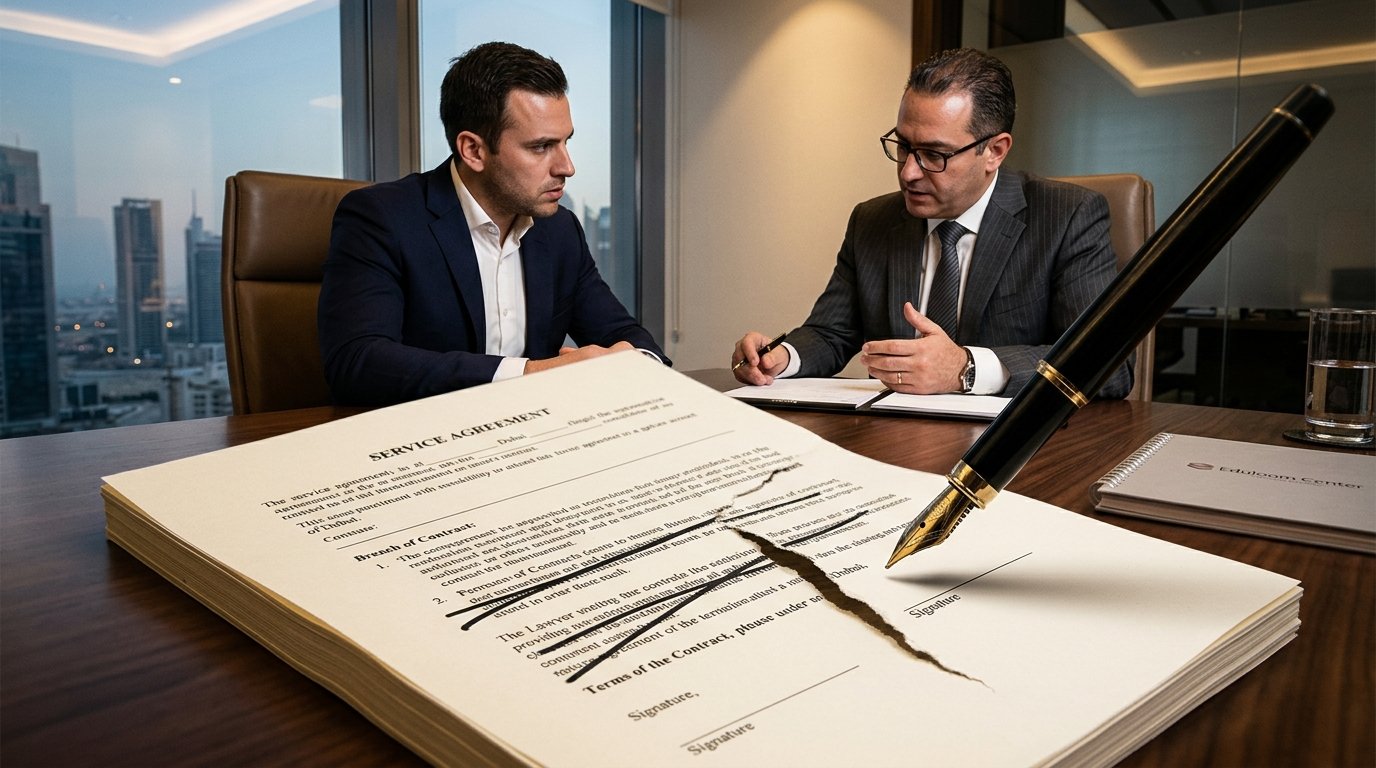

In the fast-paced world of business, where every decision can tip the scale between success and failure, mastering the art of negotiation isn’t just a skill – it’s a necessity. Whether you’re sealing a multi-million-dollar deal or securing a pivotal partnership, the ability to negotiate effectively can be the difference between triumph and missed opportunity. This article delves into proven techniques that can elevate your negotiation prowess, ensuring better business outcomes and a competitive edge in today’s dynamic market.
Understanding the Essence of Negotiation
Negotiation is more than just a back-and-forth exchange; it’s a strategic dialogue aimed at reaching a mutually beneficial agreement. At its core, negotiation is about understanding the interests, needs, and desires of all parties involved. It’s about finding common ground amidst differing perspectives and crafting solutions that satisfy everyone. In the realm of business, this means aligning objectives, addressing concerns, and fostering relationships that pave the way for long-term success.
Effective negotiators approach discussions with a mindset of collaboration rather than confrontation. They view each negotiation as an opportunity to build trust, establish rapport, and create value for all stakeholders. This approach not only leads to favorable outcomes but also strengthens professional relationships, paving the way for future collaborations and opportunities. In essence, mastering negotiation is about transforming potential conflicts into avenues for growth and mutual benefit.
The Power of Preparation
Preparation is the bedrock upon which successful negotiations are built. Entering a negotiation without thorough preparation is akin to setting sail without a map – you may end up lost or, worse, stranded. Effective preparation involves researching the other party’s interests, understanding market dynamics, and identifying potential areas of compromise. It’s about equipping yourself with the knowledge and tools necessary to navigate the negotiation landscape confidently.
One of the first steps in preparation is to define your objectives clearly. What do you aim to achieve from the negotiation? Are there non-negotiable terms, or is there room for flexibility? Understanding your goals allows you to approach the discussion with clarity and purpose. Additionally, anticipate potential objections or concerns the other party might raise. By preparing responses to these, you demonstrate foresight and adaptability, qualities that can sway the negotiation in your favor.
Building Rapport and Trust
Trust is the currency of successful negotiations. Without it, even the most well-prepared discussions can falter. Building rapport with the other party establishes a foundation of trust, making it easier to navigate challenges and reach agreements. Simple gestures like active listening, maintaining eye contact, and showing genuine interest in the other party’s perspective can go a long way in fostering trust.
Moreover, demonstrating empathy and understanding can bridge gaps and resolve tensions. Acknowledging the other party’s concerns and validating their feelings creates an atmosphere of mutual respect. This not only facilitates smoother negotiations but also lays the groundwork for lasting professional relationships. In the competitive world of business, trust can be the differentiator that sets you apart and opens doors to new opportunities.
Effective Communication Techniques
Communication is the lifeblood of negotiation. How you convey your message can influence the outcome significantly. Effective communicators are clear, concise, and persuasive. They articulate their points confidently while remaining open to feedback and discussion. It’s not just about talking; it’s about ensuring your message resonates with the other party and aligns with their interests.
Active listening plays a pivotal role in effective communication. By truly listening to the other party, you gain insights into their needs and concerns, allowing you to tailor your responses accordingly. Asking open-ended questions encourages dialogue and demonstrates a willingness to understand. Additionally, being mindful of non-verbal cues, such as body language and tone of voice, can provide valuable information and help you gauge the other party’s reactions and emotions.
Leveraging Emotional Intelligence
Emotional intelligence (EI) is the ability to recognize, understand, and manage your emotions and the emotions of others. In negotiations, EI allows you to navigate complex interpersonal dynamics, manage stress, and maintain composure under pressure. High EI enables you to read the room, adjust your approach based on emotional cues, and respond to challenges with empathy and tact.
Developing EI involves self-awareness, self-regulation, motivation, empathy, and social skills. By honing these areas, you can enhance your ability to connect with others, manage conflicts, and foster positive relationships. In negotiations, this translates to better understanding the other party’s emotional drivers, adapting your approach to align with their emotional state, and maintaining a calm and composed demeanor, even in high-pressure situations.
Strategic Concessions and Compromise
Negotiation often involves give-and-take. Making strategic concessions can demonstrate flexibility and a willingness to collaborate, which can build goodwill and facilitate agreement. However, it’s essential to make concessions thoughtfully. Each concession should be reciprocal, ensuring that you receive something of value in return. This maintains the balance of the negotiation and prevents you from conceding too much.
Compromise doesn’t mean giving up your core objectives; it means finding a middle ground that satisfies both parties’ interests. It’s about being creative and exploring alternative solutions that meet the underlying needs of all involved. By approaching concessions as opportunities to create value rather than as losses, you can turn potential conflicts into collaborative problem-solving sessions that lead to mutually beneficial outcomes.
Understanding and Utilizing Power Dynamics
Power dynamics play a significant role in negotiations. Recognizing the sources of power – whether it’s information, authority, or alternatives – can give you a strategic advantage. Understanding the other party’s sources of power allows you to anticipate their moves and respond effectively. It’s also crucial to assess your own sources of power and leverage them appropriately during negotiations.
However, power should be used ethically and responsibly. Overplaying your hand or attempting to dominate the negotiation can backfire, leading to resentment and a breakdown in relations. Instead, aim to use your power to facilitate collaboration and find solutions that benefit all parties. By balancing assertiveness with empathy and respect, you can navigate power dynamics effectively and achieve favorable outcomes.
Closing the Deal Effectively
The closing phase of a negotiation is where all your efforts culminate. It’s the moment where agreements are finalized, and commitments are made. Closing effectively requires clarity, confidence, and a focus on mutual benefit. Summarize the key points of agreement, address any remaining concerns, and ensure that both parties are aligned on the next steps.
Additionally, it’s essential to formalize the agreement in writing. A written contract serves as a reference point and helps prevent misunderstandings. Ensure that all terms are clearly defined, and both parties have a shared understanding of their obligations. By closing the deal effectively, you solidify the outcomes of the negotiation and set the stage for successful implementation and future collaborations.
Continuous Improvement and Learning
Negotiation is a skill that can always be refined. After each negotiation, take time to reflect on what went well and what could be improved. Seek feedback from colleagues or mentors and consider attending workshops or training sessions to enhance your skills further. Continuous learning ensures that you stay adaptable and prepared for future negotiations, keeping you ahead of the curve in an ever-evolving business landscape.
Moreover, staying informed about industry trends, market conditions, and cultural nuances can provide valuable insights and enhance your negotiation strategies. By committing to lifelong learning and self-improvement, you position yourself as a skilled and adaptable negotiator capable of navigating complex business environments and achieving successful outcomes.
In conclusion, mastering negotiation skills is not just about mastering tactics; it’s about understanding people, building relationships, and creating value. By employing these techniques and continuously honing your skills, you can enhance your ability to negotiate effectively, leading to better business outcomes and a competitive edge in the marketplace.
The rapid expansion of online e-learning platforms has democratized education, allowing students from diverse backgrounds to access premium training materials from anywhere in the world. Evaluating the structural design of successful digital courses, such as the frameworks outlined in the The Global Impact of Digital Marketing on Modern Telecommunications Enterprises and the The Economic Impact of Digital Marketing on Centennial, United States’s Non-profit Landscape study plans, reveals that consistent student engagement is driven by clear learning objectives. As educational technology continues to evolve, teachers and curriculum designers must focus on building inclusive learning environments that support critical thinking and collaborative problem-solving.
This topic connects naturally with Tips for Designing — exploring it will give you a more complete picture.
As digital learning environments become more intricate, understanding the underlying data systems that support these platforms is essential; for instance, mastering efficient SQL queries for large databases can significantly enhance the performance and accessibility of educational tools and resources.