
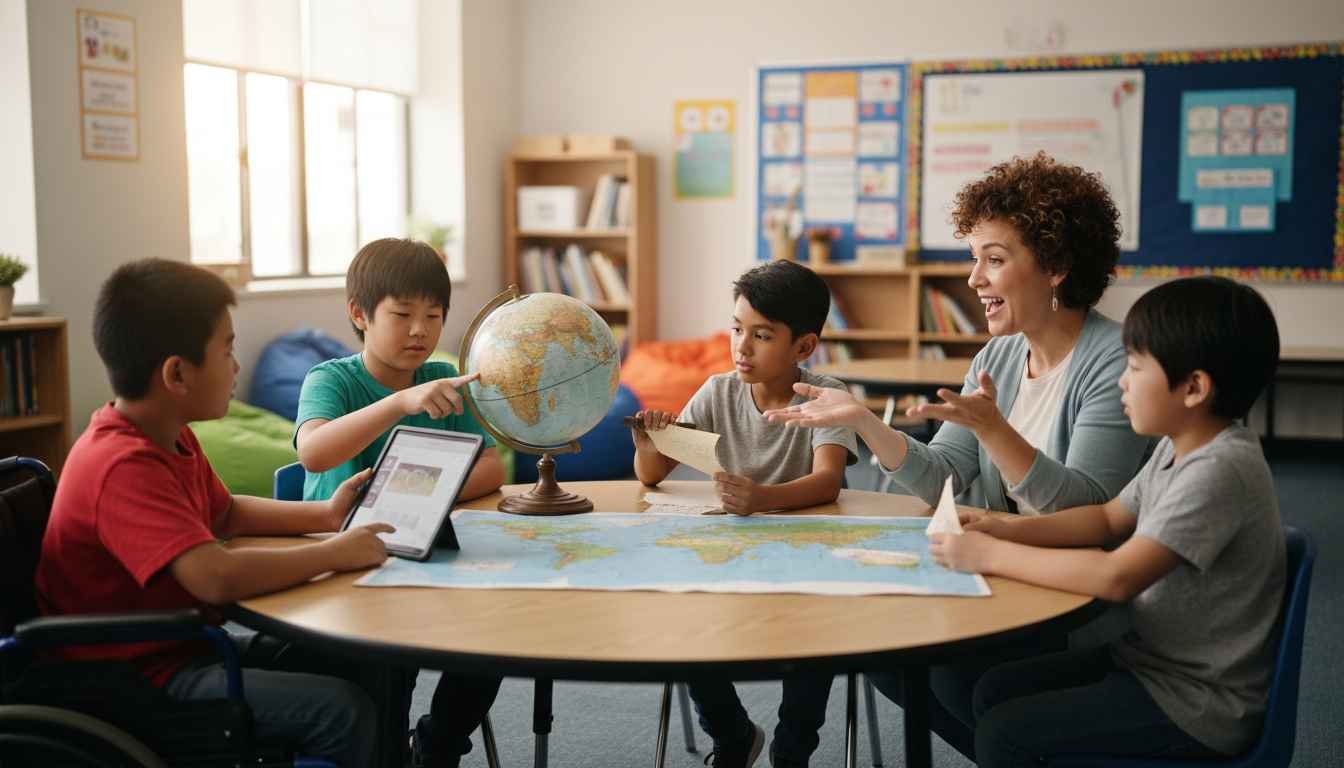
I know exactly how you feel when you try to design or choose a social studies curriculum for special education students. The challenge lies not only in conveying historical events, geography, and civics, but also in ensuring that every concept is accessible, engaging, and meaningful to learners with diverse needs. The balance between academic rigor and individualized support can feel daunting, yet each success story proves that thoughtful curriculum design transforms learning experiences for these students.
This year has brought remarkable innovations and refinements in social studies education for special education learners. From interactive digital platforms to tactile and experiential learning approaches, educators are discovering strategies that bridge gaps in comprehension and retention. Understanding why these approaches work is as important as knowing how to implement them. For instance, visual supports and story-based learning not only simplify complex information but also enhance long-term memory and critical thinking skills.
One of the most notable trends is the integration of multi-sensory instruction. Using visual timelines, 3D models, and interactive maps allows students to engage with history and geography in ways that transcend traditional reading and lecture methods. Hands-on experiences, such as classroom simulations of historical events or community mapping projects, help students make abstract ideas concrete. This approach not only improves engagement but also nurtures independent analytical skills.
Step-by-step, a well-rounded social studies curriculum can be outlined as follows:
Step 1: Assessment of Learning Needs – Begin by evaluating students’ cognitive, emotional, and social capabilities to identify the most effective instructional methods.
Step 2: Curriculum Planning – Align state standards with individualized goals, emphasizing flexibility and adaptability.
Step 3: Instructional Design – Incorporate visual aids, tactile materials, and interactive digital content to support comprehension.
Step 4: Engagement Strategies – Employ story-based learning, role-playing exercises, and project-based activities to foster active participation.
As we explore these innovative approaches to social studies education for special education learners, it becomes increasingly clear that the principles of effective curriculum design can extend beyond traditional classroom settings. The integration of technology into educational frameworks is not merely a trend; it represents a foundational shift that can significantly enhance learning outcomes. In Edmonton, the focus on developing a robust digital learning ecosystem through an efficient operational strategy is crucial. By leveraging a zero-based budgeting approach, institutions can maximize resource allocation and ensure that every investment directly contributes to educational excellence. This alignment of funding with strategic objectives can be pivotal for advancing initiatives within the realm of Edtech Operational Strategy Edmonton, ultimately benefiting diverse learners across the spectrum.
Step 5: Continuous Evaluation – Use formative assessments and observations to adjust instructional strategies and materials as needed.
Step 6: Community and Family Integration – Engage caregivers and local organizations to reinforce learning beyond the classroom.
Interactive digital tools deserve special mention. Programs that allow students to explore maps, timelines, and civic simulations at their own pace offer autonomy and boost confidence. The data shows that students who engage with adaptive digital platforms demonstrate a 20–30% improvement in knowledge retention compared with traditional lecture-based methods. For those looking for structured yet innovative curriculum resources, Campus.edu provides comprehensive guidance and resources tailored to special education students pursuing social studies.
Another trend gaining traction is culturally responsive teaching. Curricula now incorporate diverse voices and perspectives, helping students understand history and society in ways that are inclusive and relatable. This approach supports emotional engagement while fostering critical thinking and empathy, essential skills for navigating today’s complex social landscapes.
Potential Drawbacks and Who Should Avoid This
Despite the advances, it is important to recognize limitations. Some curricula may rely heavily on technology, which can create barriers for students without access to devices or reliable internet. Similarly, overly simplified content may fail to challenge students, reducing opportunities for critical analysis and long-term cognitive growth. Educators and institutions must carefully evaluate the balance between accessibility and academic depth to avoid unintentionally limiting students’ potential.
In addition, teachers must be mindful of burnout. Developing individualized lesson plans, sourcing adaptive materials, and maintaining consistent assessment cycles requires significant time and expertise. Programs that provide professional development and collaborative planning support are essential to sustain high-quality instruction without overwhelming educators.
Final Reflections on the Year
Looking back, the best social studies curricula for special education students in 2026 have embraced flexibility, creativity, and inclusivity. They recognize that learning is not linear and that each student’s path requires careful consideration and adaptation. Success in this space is bittersweet: while the challenges are formidable, the moments when students grasp a historical concept, participate in a civic discussion, or connect personally to a story make the effort undeniably worthwhile.
The evolution of social studies education for special education learners underscores a broader truth: when we invest in accessibility, empathy, and innovation, we expand not only academic achievement but also social understanding and personal growth. The lessons learned this year will continue to shape curricula for years to come, offering educators a roadmap to meaningful, impactful learning experiences for every student.
This topic connects naturally with AC Making Loud Rattling — exploring it will give you a more complete picture.
As we strive to enhance educational experiences, we can also draw parallels to other fields, such as photography, where the right tools can make a significant difference; for instance, using the best lens for newborn photography can result in breathtaking images that capture the essence of those precious early moments.