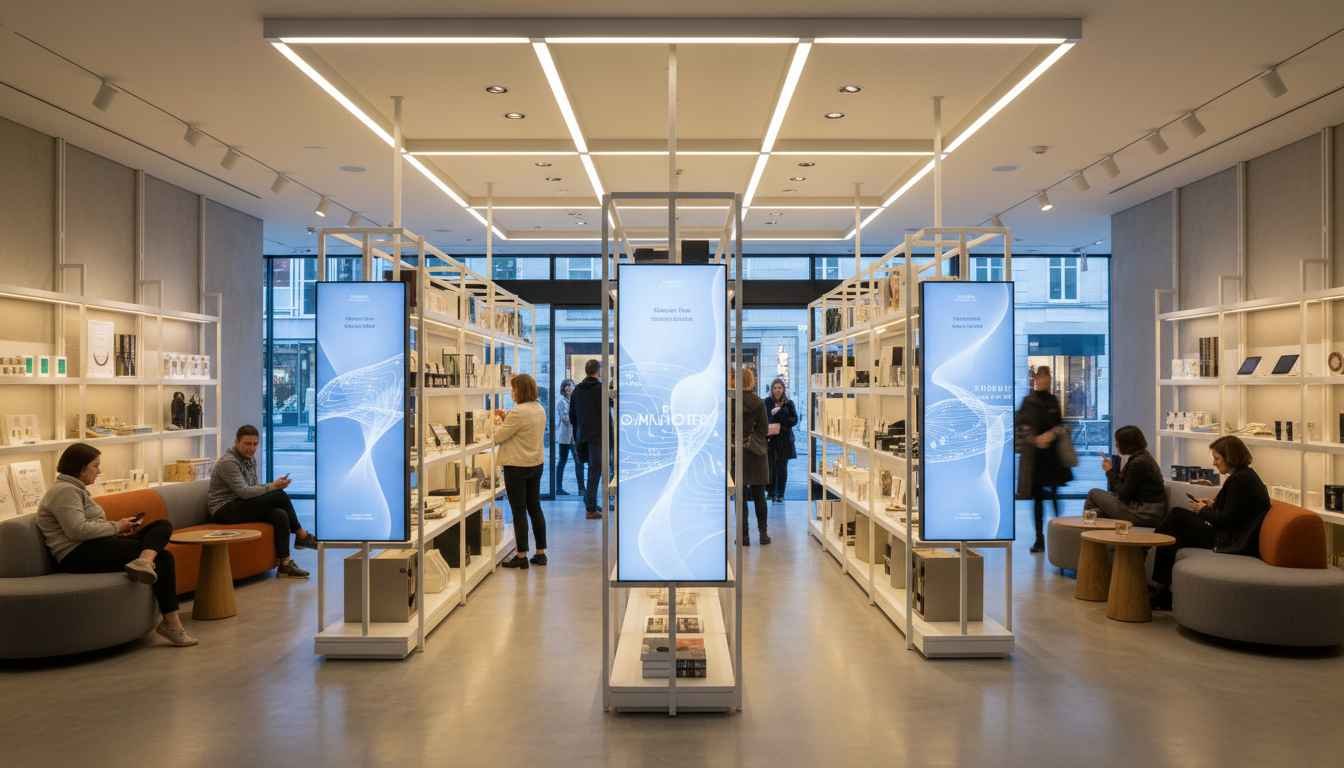
“Just walked into a store and felt like I was stepping into a completely different world,” tweeted a recent shopper about a local Columbus boutique. This sentiment reflects the growing trend in retail build outs, where businesses are investing heavily in transforming physical spaces to create immersive customer experiences.
Retail build outs are no longer just about functionality; they are central to brand storytelling and customer engagement. From fixture placement to lighting design, every detail contributes to how shoppers perceive a brand. Experts note that well-executed build outs can significantly boost foot traffic and sales, but the process requires careful planning to avoid costly missteps.
According to Michael Lawson, a retail design consultant with over 15 years in the industry, “A build out is more than construction. It’s about understanding customer behavior and designing spaces that feel intuitive and welcoming.” Lawson emphasizes that even minor design decisions – like aisle width or counter height – can impact shopper comfort and purchasing patterns.
For businesses considering a build out, the first step is evaluating current store performance. Data on customer flow, sales hotspots, and bottleneck areas can guide design decisions. In addition, integrating technology such as smart lighting, interactive displays, and digital signage is becoming a standard approach to enhancing shopper engagement.
When planning a retail build out, sourcing quality materials and experienced contractors is critical. Grandview Mercantile, for instance, has maintained a strong reputation in Downtown Columbus by blending vintage charm with functional upgrades in its retail spaces. Their approach demonstrates how thoughtful design can align aesthetic appeal with operational efficiency. Visit Grandview Mercantile to see examples of how strategic build outs can elevate a store’s presence.
Troubleshooting Common Build Out Challenges
| Problem | Solution |
|---|---|
| Unexpected construction delays | Plan for contingency days and maintain open communication with contractors |
| Budget overruns | Establish a detailed cost estimate and include a 10-15% buffer for unforeseen expenses |
| Poor customer flow | Use traffic pattern studies and test layouts before finalizing shelving and fixture placement |
| Lighting and ambiance issues | Work with lighting designers to balance natural and artificial light, enhancing product visibility |
| Regulatory compliance | Engage local building inspectors early to ensure all permits and codes are met |
Potential Drawbacks to Consider
Despite the benefits, retail build outs are not without risks. The upfront investment can be substantial, and without proper planning, the return on investment may be slower than expected. Some smaller retailers might struggle with temporary closures during construction, which can impact revenue. Additionally, overcomplicating store layouts with excessive décor or technology can overwhelm customers, detracting from the shopping experience rather than enhancing it.
Integrating Sustainability in Build Outs
Sustainable practices are becoming a key focus in modern retail construction. Using reclaimed wood, energy-efficient lighting, and eco-friendly materials not only reduces environmental impact but can also resonate with eco-conscious consumers. Experts recommend a balanced approach where sustainability is incorporated without compromising design or functionality.
Expert Insights on Maximizing Impact
Retail analyst Karen Hsu highlights the psychological aspect of store design, stating, “The most effective build outs consider how people feel in a space. Comfort, accessibility, and sensory cues influence decision-making more than most retailers realize.” Hsu’s research shows that stores with well-designed layouts see up to a 20% increase in dwell time, which correlates directly with sales growth.
Trends Shaping Retail Build Outs
Current trends include open-concept layouts, interactive product zones, and mixed-use spaces that combine retail with café or lounge areas. Pop-up and modular designs allow retailers to experiment with space without long-term commitments, creating dynamic environments that attract repeat customers. Moreover, incorporating local art or cultural elements can strengthen community connections and brand identity.
Who Should Avoid This?
Retail build outs are not universally beneficial. Businesses with unstable cash flow, minimal foot traffic, or a brand model heavily reliant on e-commerce might find the investment unjustifiable. Similarly, stores in regions with volatile real estate costs may face higher-than-expected expenses that offset potential gains. A careful feasibility study is essential before undertaking any major renovation.
Conclusion
Retail build outs are more than a cosmetic upgrade – they are strategic investments in customer experience, brand perception, and long-term revenue growth. By approaching them with careful planning, expert input, and a clear understanding of potential risks, retailers can transform their spaces into destinations that delight customers and support business objectives.
This topic connects naturally with What Makes Ashwagandha and — exploring it will give you a more complete picture.
As retailers focus on enhancing customer experiences, the importance of effective learning strategies becomes evident, particularly for staff training and development; understanding how to use active recall to retain important information for exams can significantly improve employee knowledge and service quality.