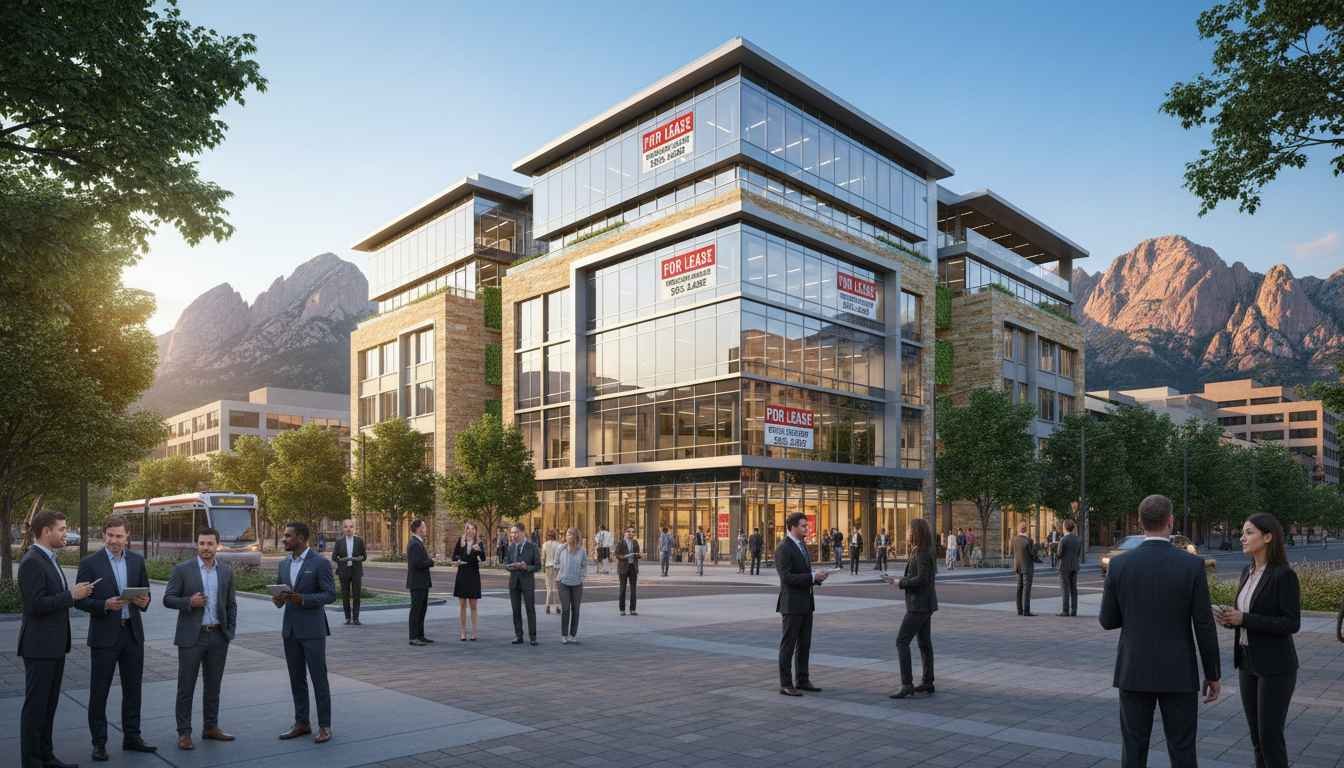
“Seeing a surge in office space demand in Boulder this quarter” – a comment I recently spotted on LinkedIn that captures the evolving dynamics of our local commercial property market. Boulder is no longer just a tech hub; it’s a canvas of opportunity for forward-thinking investors and businesses seeking strategic locations.
The landscape of Boulder commercial real estate for lease is nuanced. From modern office buildings near the Pearl Street corridor to mixed-use developments on the city’s outskirts, each property presents unique advantages and challenges. As a marketing director observing these trends, it’s clear that strategic positioning and tenant mix are shaping long-term value more than ever.
Current market data suggests that vacancy rates are holding steady at approximately 7%, a slight improvement over last year, indicating controlled supply and sustained demand. Lease structures are increasingly flexible, with short-term options gaining traction for startups and creative firms. Long-term tenants still benefit from favorable rates if they commit early, a strategy recommended by the Urban Land Institute’s commercial leasing guidelines.
However, location remains the critical factor. Proximity to transit hubs, access to high-quality amenities, and visibility to foot traffic are shaping lease decisions. Properties near downtown Boulder consistently command premium rents, while emerging corridors present opportunities for cost-efficient expansion with room for growth. Businesses looking to secure their footprint must weigh immediate cost savings against long-term strategic positioning.
As the demand for office space in Boulder continues to rise, fueled by a diverse range of businesses seeking vibrant environments to foster innovation, the integration of cutting-edge marketing strategies becomes paramount. The intersection of real estate and digital innovation is reshaping how properties are marketed and leased. Investors and tenants who leverage comprehensive digital tools not only enhance operational efficiency but also significantly improve engagement with potential clients. Understanding the nuances of Digital Marketing in Real Estate allows stakeholders to navigate the complexities of the modern market landscape more effectively, ensuring they remain competitive while capitalizing on emerging opportunities. As we delve deeper into Boulder’s commercial real estate landscape, it becomes increasingly clear that those who embrace these digital paradigms will likely enjoy greater success in capturing the attention of prospective tenants and investors alike.
For those seeking an expert partner in navigating Boulder’s commercial property market, Engel & provides comprehensive listings and strategic consulting. Their team emphasizes market insights, lease negotiation support, and tailored solutions to match tenant objectives with property potential, ensuring informed decisions backed by industry experience.
Potential Drawbacks
Not all Boulder commercial spaces are ideal for every tenant. High-demand areas can lead to competitive leasing cycles and premium rates that may not suit early-stage ventures. Additionally, regulatory considerations, such as zoning restrictions and building codes, can limit flexibility for certain types of businesses. Investors should conduct thorough due diligence and consider property management costs when evaluating long-term viability.
Glossary
Vacancy Rate: The percentage of all available rental units that are unoccupied at a particular time.
Lease Structure: The terms and conditions, including length and rent escalation, of a commercial lease agreement.
Mixed-Use Development: Properties that combine residential, commercial, and/or office spaces within a single complex.
As businesses navigate the complexities of commercial leasing in Boulder, it’s essential to also focus on growth strategies in an increasingly digital landscape; for insights on effective marketing approaches, consider exploring scaling business services growth to enhance your competitive edge.