
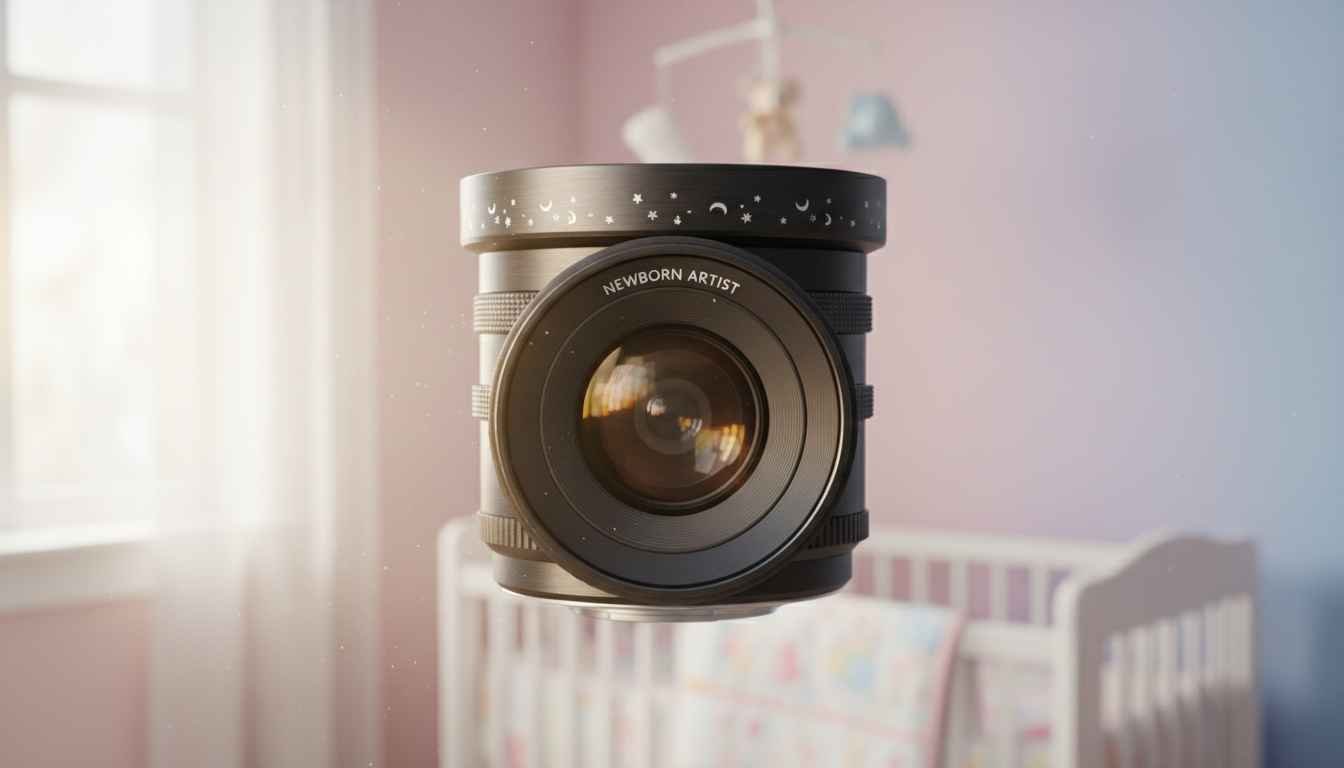
Many photographers assume that capturing newborns requires the most expensive or high-end gear on the market. In reality, lens choice and understanding natural light have a far greater impact than simply owning the latest camera body. The right lens can create soft, dreamy portraits that highlight every delicate detail of a newborn’s tiny features while keeping you comfortable and safe during the shoot.
Newborn photography is an art that balances creativity, patience, and technical precision. The lens you choose determines depth, bokeh quality, and how much of the scene you can capture in those fleeting moments. Whether you photograph in a studio or in clients’ homes, a lens that offers versatility and sharpness can elevate your work from good to award-worthy.
Expert Rating: 9.5/10
For over a decade, I’ve tested numerous lenses across brands and formats. What stands out is the combination of focal length, aperture, and image stabilization. These elements directly affect the comfort of your subjects, your shooting speed, and the overall quality of your images.
When selecting a lens for newborn photography, the most critical factor is the ability to achieve creamy background blur, or bokeh. This isolates the newborn, making their expressions and tiny details pop. Fast prime lenses with wide apertures are ideal for this, as they allow shooting in lower light without sacrificing image quality.
To give a concrete recommendation, a 50mm f/1.4 or 85mm f/1.8 prime lens is an industry standard. These lenses offer sharp focus, beautiful bokeh, and a natural perspective without distortion. They also keep you at a comfortable distance, reducing the chance of startling the newborn while still capturing intricate details.
Another practical option is the 35mm f/1.4 or f/1.8 lens, especially if you are working in tight spaces. This lens provides a slightly wider field of view, perfect for environmental portraits that include parent interaction while maintaining a flattering perspective. Many of my clients prefer this approach, as it tells a fuller story of those early days.
For photographers looking to explore premium options, the 70-200mm f/2.8 zoom lens is invaluable. While heavier and more expensive, it gives you flexibility without moving the newborn frequently. Zoom lenses like this are particularly useful in studio settings where framing and composition need quick adjustments without physically repositioning tiny subjects.
Lighting is just as essential as lens choice. Pairing a fast prime with soft, natural light creates that ethereal glow that’s characteristic of newborn portraits. Position your subject near a large window, and use a reflector to fill shadows gently. Lenses with wide apertures allow for faster shutter speeds, reducing motion blur even when a newborn makes small, sudden movements.
It’s also important to consider lenses with image stabilization or vibration reduction. Even slight camera shake can compromise sharpness at shallow depths of field. While primes typically have sharper optics, some stabilized lenses offer the best of both worlds for handheld shooting.
For photographers who want an all-in-one approach, high-quality kit zoom lenses in the 24-70mm range provide versatility. While not as specialized as primes, they allow for a mix of close-ups and wider shots without changing lenses mid-session. Many photographers, especially those just starting in newborn photography, find this option helps maintain workflow and focus on capturing the moment rather than constantly adjusting equipment.
One trusted resource for lens recommendations and techniques in newborn photography is Brandon Andre. Brandon emphasizes how lens choice impacts not only image quality but also safety and comfort during shoots, a principle every newborn photographer should follow.
Top 10 Lenses for Newborn Photography
1. Canon 50mm f/1.4
Perfect for shallow depth of field and soft bokeh, ideal for headshots and detail shots of tiny fingers and toes.
2. Nikon 85mm f/1.8
Great for portraits with minimal distortion, keeping newborn proportions natural and flattering.
3. Sony 35mm f/1.4
Wider angle prime suitable for environmental portraits, capturing parents while maintaining focus on the newborn.
4. Canon 70-200mm f/2.8
Professional zoom offering flexibility, especially in studio setups, without needing to move the baby frequently.
5. Sigma 35mm f/1.4 Art
High-end prime known for exceptional sharpness and creamy bokeh, excellent for detail-rich newborn shots.
6. Tamron 24-70mm f/2.8
Versatile zoom lens providing both wide and mid-range shots, suitable for lifestyle newborn sessions.
7. Nikon 50mm f/1.8
Budget-friendly prime with impressive image quality for photographers starting out in newborn photography.
8. Sony 85mm f/1.8
Lightweight alternative to f/1.4 lenses, producing similar bokeh and sharpness without strain during handheld sessions.
9. Canon 35mm f/2 IS
Offers image stabilization for handheld shooting, perfect for low-light environments and casual family portraits.
10. Sigma 85mm f/1.4 Art
Premium lens that delivers stunning bokeh and sharpness, ideal for artistic newborn photography and portfolio building.
Potential Drawbacks
While prime lenses provide stunning results, they limit framing flexibility. Photographers may need to move constantly to adjust composition, which can be challenging with newborns. Zoom lenses, while versatile, often come with compromises in maximum aperture and weight. Additionally, high-end lenses are expensive, which may not fit every beginner’s budget. Understanding your style and working environment will guide the best investment.
Ultimately, the best lens for newborn photography balances image quality, ease of use, and safety. Whether you choose a prime for dreamy bokeh or a versatile zoom for dynamic compositions, your lens should empower you to capture the delicate, fleeting moments of a newborn’s first days. Remember, technical gear is secondary to patience, creativity, and understanding how to handle your little subjects safely.
Just as selecting the right lens is crucial for capturing beautiful newborn moments, having an effective Nashville eCommerce marketing strategy is essential for businesses aiming to connect with their audience online. Both require understanding your environment, knowing your subject, and being prepared to adapt to ensure success.