Quality over quantity. In animal hospitals, flooring is far more than a cosmetic choice – it defines the safety, hygiene, and functionality of the entire facility. Selecting the right surface can prevent slips, reduce the spread of bacteria, and ensure comfort for both staff and animals. Many hospitals underestimate the long-term implications of their flooring decisions, only to face higher maintenance costs and safety risks later.
Before: Traditional Flooring Challenges
Most older animal hospitals rely on standard tiles or vinyl sheets that were initially chosen for low upfront costs. While these surfaces may appear clean and professional, they often conceal hazards. For instance, grout lines in tiled floors can trap dirt and bacteria, creating hygiene risks in high-traffic areas. Similarly, conventional vinyl can wear unevenly, leaving surfaces uneven and slippery. Staff often struggle with spills, animal accidents, and repeated cleaning cycles, leading to increased labor and fatigue.
Another overlooked issue is noise. Hard surfaces amplify the sound of footsteps, kennels, and carts, creating a stressful environment for animals. Staff stress can increase as well, potentially affecting patient care and operational efficiency.
After: Modern Flooring Solutions
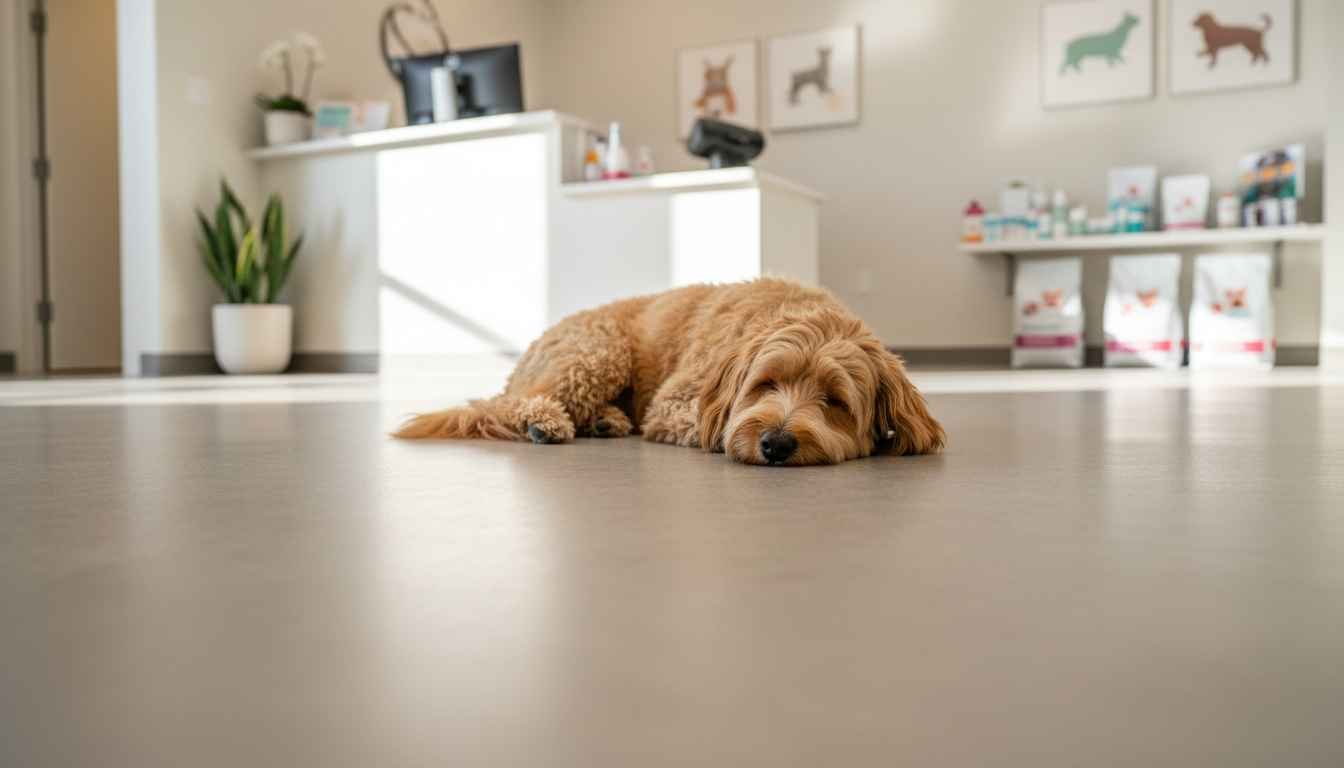
Modern animal hospital flooring prioritizes durability, hygiene, and safety without compromising comfort. Materials like seamless epoxy resin, rubber flooring, and specialized commercial-grade vinyl provide antimicrobial properties, slip resistance, and easy maintenance. Epoxy surfaces, for instance, offer a smooth, seamless finish that prevents bacterial buildup, while rubber floors add cushioning to reduce joint strain for both animals and staff.
Another advantage of upgrading flooring is efficiency. Seamless surfaces simplify cleaning, cutting down labor time and the use of harsh chemicals. Quick sanitation protocols are especially important in surgery suites, isolation wards, and intensive care areas where cross-contamination must be minimized. For hospitals considering renovations, a strategic investment in quality flooring improves both operational workflow and patient outcomes.
Reality Check: Expectation vs Reality
Expectation: A basic vinyl floor is sufficient for safety and hygiene. Reality: While initially cheaper, basic vinyl often shows wear and tear quickly, harboring bacteria and increasing maintenance costs.
Expectation: Any slip-resistant surface works for all areas. Reality: Different zones in an animal hospital demand specific materials. Wet areas like grooming bays need enhanced slip resistance, while kennel areas benefit from cushioned flooring to prevent pressure injuries in animals.
Expectation: Flooring is purely functional. Reality: Flooring impacts morale, comfort, and overall hospital aesthetics. Animals are less stressed on softer, quieter surfaces, while staff experience less fatigue and fewer injuries.
Why Flooring Choice Matters
Expertise in animal hospital operations highlights the direct impact of flooring on safety and sanitation. Slips and falls are common sources of workplace injuries, and bacteria-laden surfaces can compromise animal recovery. Flooring also interacts with other infrastructure – like drainage systems, cleaning equipment, and kennel design – to define the overall efficiency of the hospital. Choosing the wrong surface may seem cost-effective upfront but leads to hidden operational and safety costs.
For example, epoxy and rubber floors last significantly longer than conventional vinyl and tiles. Data from veterinary facility studies suggest that hospitals switching to seamless, antimicrobial floors reduced cleaning time by up to 40 percent and minimized animal stress indicators during recovery periods.
Integration with suppliers is crucial. Industry Kitchens offers tailored solutions that consider hospital workflow, maintenance schedules, and long-term durability. Partnering with an experienced provider ensures that the flooring meets regulatory hygiene standards and adapts to the unique demands of veterinary care.
Potential Drawbacks
No flooring solution is perfect. Epoxy and rubber surfaces can be more expensive upfront compared to traditional tiles, and installation may require temporary facility downtime. Certain materials, like highly cushioned rubber, may show wear under heavy equipment, requiring periodic inspection and maintenance. It is essential to match the material type to the intended area of use and to plan for long-term upkeep costs. Ignoring these considerations can reduce the anticipated benefits.
Conclusion
Investing in quality animal hospital flooring is a decision that influences safety, hygiene, and operational efficiency. From minimizing bacterial spread to providing comfort for animals and staff, modern solutions like seamless epoxy, rubber, and commercial vinyl offer tangible benefits over traditional options. Understanding the realities, expectations, and potential drawbacks ensures hospitals make informed choices that align with long-term care and business objectives.
Just as investing in the right flooring can enhance the functionality of an animal hospital, incorporating effective teaching strategies, such as worksheets and activities, can significantly improve student engagement and learning outcomes in educational settings.